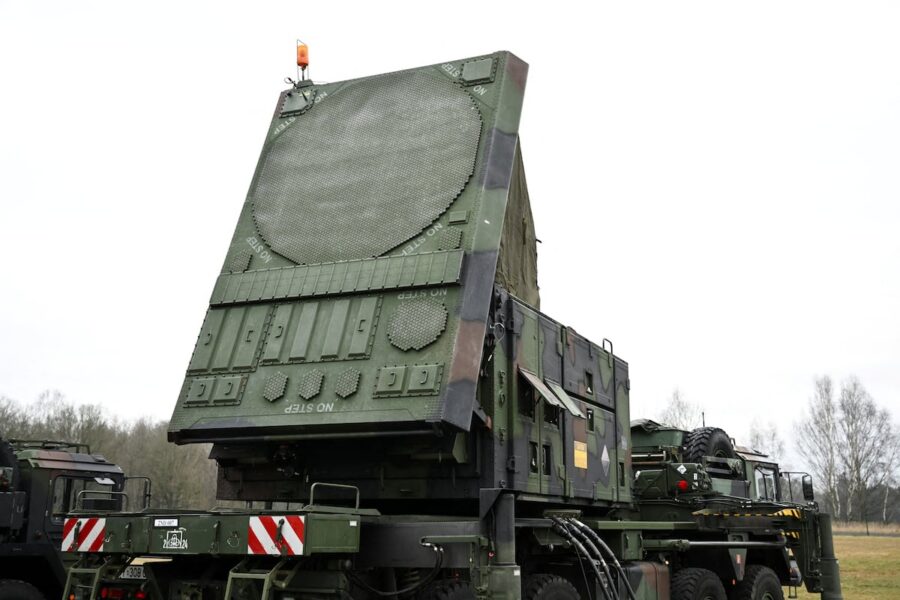
General Motors Defense delivered its first batch of housing components for PAC-3 MSE Patriot interceptors to Lockheed Martin on Aug. 28. The shipment arrived just 22 days after the two companies signed a manufacturing agreement on Aug. 6, marking a significant acceleration in production timelines. This initial delivery fulfills the early phase of a broader industrial partnership announced in June designed to leverage GM’s manufacturing infrastructure for U.S. defense needs.
What it means
The rapid turnaround addresses Pentagon directives to increase weapons production speed, particularly for systems in high demand due to conflicts involving Russia and Ukraine, as well as tensions between the U.S., Israel, and Iran. Kyiv has relied on Patriot batteries to defend against Russian ballistic missiles since 2022, with President Volodymyr Zelenskiy repeatedly requesting more interceptors. Traditionally, producing these components takes months or years; the new process compressed that timeline drastically.
Tim Cahill of Lockheed Martin noted the speed of delivery reflects a focus on execution for troops. GM Defense CEO Stephen duMont stated the automaker’s precision-fabrication skills would support critical defense capabilities. Lockheed is backing this expansion with an $8 billion to $9 billion investment to scale output for PAC-3 MSE, THAAD, and Precision Strike Missile systems. The company plans to add buildings and jobs at more than 20 U.S. sites, increasing production and warehousing space by nearly 50%.
Key facts
- Aug. 28: Date GM Defense delivered initial housing components for PAC-3 MSE interceptors.
- 22 days: Time between Aug. 6 contract signing and component delivery.
- $8 billion to $9 billion: Lockheed Martin’s investment to scale munitions output.
- PAC-3 MSE, THAAD, PrSM: Munitions types included in the expansion plan.
- More than 20 U.S. sites: Locations receiving new buildings and jobs.
- Nearly 50%: Projected growth in production and warehousing space.
Source: Lockheed Martin news release